How to get second-shooting work (and get asked back)
Where wedding second shooters actually find work, what leads look for before they say yes, and how to turn one date into a steady calendar.
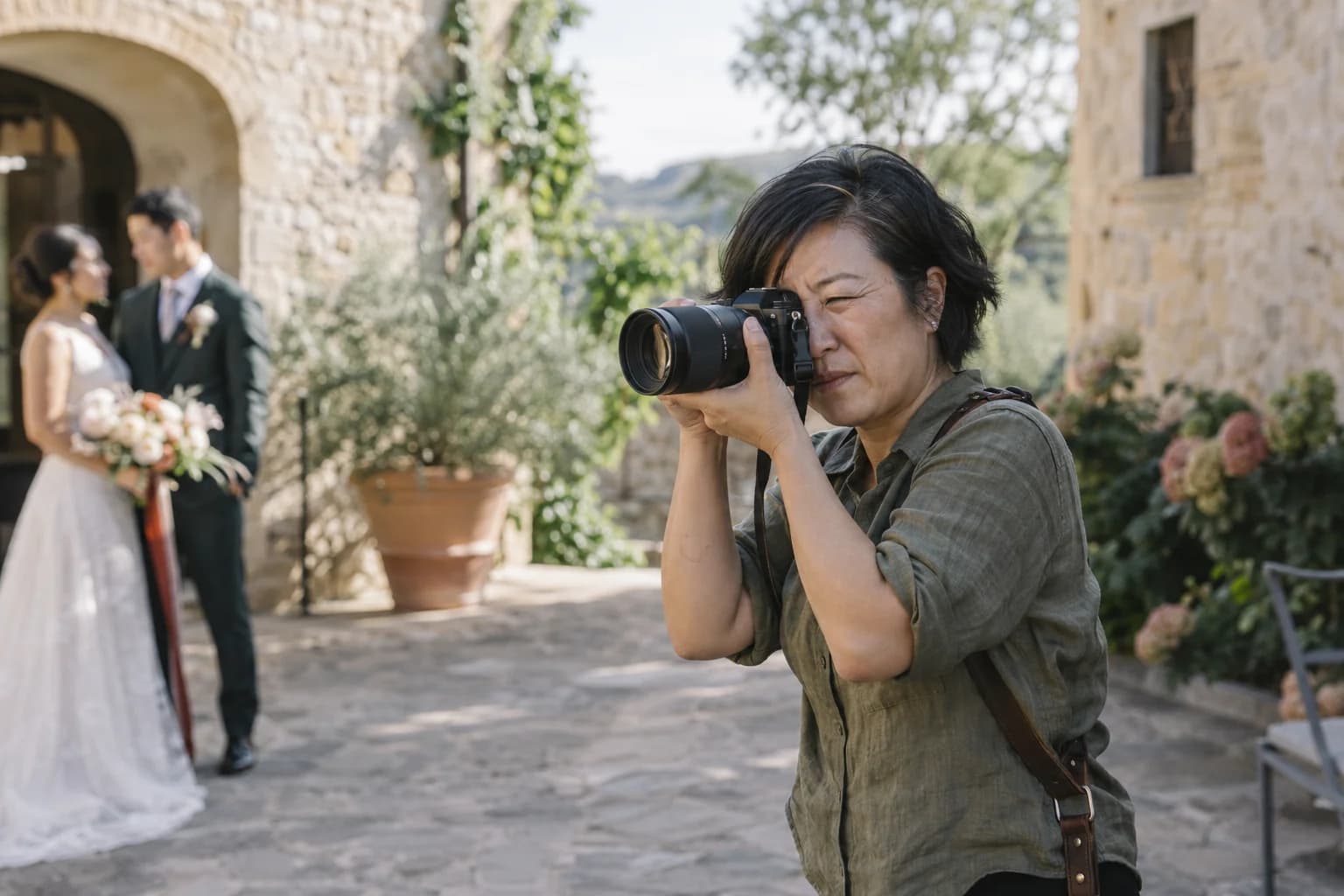
Most second shooters find work the same way: a stranger's post in a Facebook group, a DM that says "are you free the 14th?", and a long evening of finding out what it pays. It works, but it is slow, it depends on who happened to see the post, and none of the effort carries over to the next date.
TL;DR: Second-shooting work comes from three places: people who already know you, studios looking for a date they cannot cover, and public posts. Make the first one repeatable by being easy to rebook, and make the second one findable by publishing your roles, area, rate and open dates in one place instead of re-explaining them in every message.
Where do second shooters actually find work?
- A lead you have already shot with. The most reliable source. A lead who had a good day will call you before they post anywhere.
- Studios in your own city. They need cover for a double-booked Saturday, or a second angle for a larger venue. They are the people most likely to book you more than once.
- Public groups and boards. Plenty of work, but you are one of many replies, and the posts rarely say what the date pays.
- A network that matches you to dates. The Booksui Network works this way: studios post a Crew Call with the date, location, hours, role and rate, and you appear when your roles, area and open dates match.
What do leads check before they say yes?
They are not only judging your photos. They are asking whether you will turn up, follow the shot list, hand over files on time and be pleasant with the family. Make each of those easy to see:
- Your role in one line. "Second shooter, candids and details, comfortable with a flash" tells them more than "photographer".
- Where you are based and how far you will travel. A lead in a neighbouring city is deciding on a drive time.
- A rate or a range. Hiding the number costs both of you an evening.
- The dates you are open. If it takes a message to find out, you lose to someone who showed it.
- Proof you have done this before, even if it is a short list of events and what you did on each.
How do you get asked back?
Rebooking is a habit you can build:
- Confirm the call time, the address and the plan the day before, without being asked.
- Arrive early and say hello to the lead before anyone else.
- Hand over cards or files by the agreed deadline, in the agreed way.
- Send one short note afterwards: thanks, the date you would be glad to cover again, and your next open weekends.
What about work that is not shooting?
Studios also look for hands to cull, retouch, build albums and edit film. If you do any of it, say so, because that work has a deadline and no venue, and it can be done from anywhere.
Where to start
Create a free profile on the Booksui Network with the roles you cover, where you are based, your rates and your open dates. It costs nothing, Booksui takes no cut of your fee, and your profile is shown only to studios sending a Crew Call that matches it, not published on the open web. The Network is new, which means the studios that join first are the ones who see the open dates first.
Related: Where can I find second-shooting work? and second shooter agreements: what to put in writing.
Keep reading
Related dispatches.
Oct 14, 2026
Set up your Booksui Network profile in ten minutes
A step-by-step guide to creating a free Booksui Network profile: roles, area, rates, open dates, and what studios see and do not see.

Oct 14, 2026
Build a trusted bench for your wedding studio
The people a wedding studio should have on call before a date falls through: second shooters, cover DJs, second cameras and assistants, and how to keep them.

Oct 14, 2026
How to set a day rate as freelance wedding crew
A simple way to set a day rate as a second shooter, DJ, camera operator or assistant, using your costs, your time and what you are replacing.