Bridal hair and makeup: contract and ready-by time
What a hair and makeup artist writes into a wedding contract so the morning runs: the party, the ready-by time, the trial, travel and a second artist.
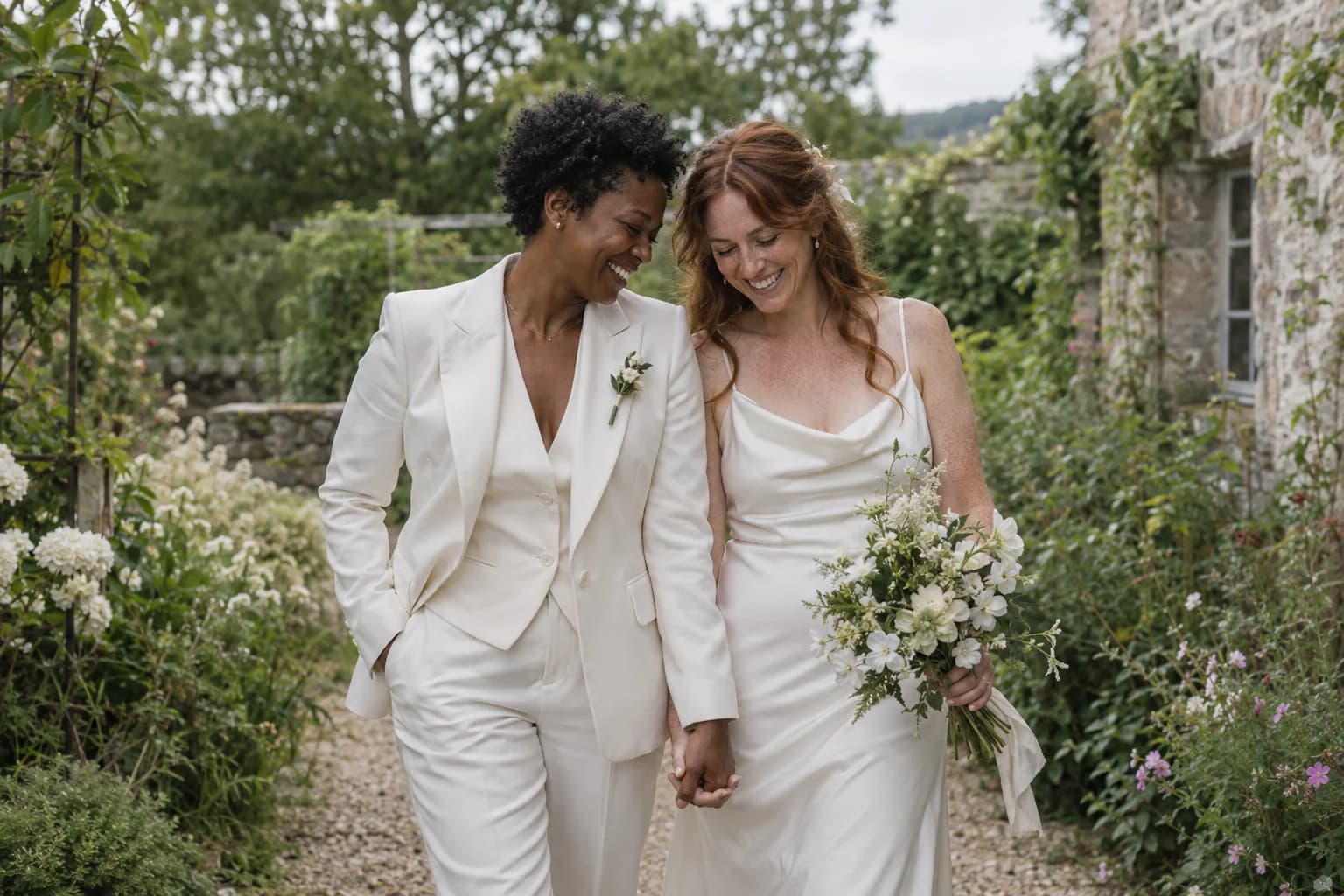
Every bad wedding morning for a hair and makeup artist starts the same way: a party of six booked in the spring becomes a party of nine by text in the summer, the photographer's first look is at one o'clock, and the artist is doing the bride's makeup while the planner stands in the doorway. None of that was the artist's fault, and all of it was decided by what the contract did not say.
TL;DR: Book the party by name and service, price each service as a line, and make the ready-by time the one number everything else follows. Write the start time the ready-by time implies into the contract, with a second artist above a set party size. Charge for the trial, charge for travel, and say what happens when the party grows after the contract.
What is the party, exactly?
Names and services, not a count: "bride, hair and makeup; mother of the bride, hair and makeup; four bridesmaids, hair; two bridesmaids, makeup". Each service is a line with a price and a time, and the sum of the times is the schedule. A contract that says "bridal party, up to six" cannot be scheduled and cannot be priced when the seventh arrives.
Which number does everything follow?
The ready-by time. Ask for it before anything else: the time the bride must be finished, which the photographer and the planner set from the first look or the ceremony. Work backwards from it at your real pace per service, add the bride's touch-up and a buffer, and the start time falls out. Write both on the contract. If the ready-by time moves, the start time moves with it, and the contract says so.
When is a second artist required?
Above a party size you set, typically six services for one artist in a four-hour morning. Price the second artist on the contract as the line that turns on when the party crosses that size, so a bridesmaid added in August is a known cost, not a negotiation. Who the second artist is comes from your bench; whether there is one is decided at booking.
What about the trial?
Charge for it, schedule it four to eight weeks out, and record what was done: products, shades, the reference photos, how long it took. The trial is where the wedding-day timing comes from. A trial done for free and not written down is an afternoon lost twice.
Travel, early starts and the party that grows
Travel at a rate per mile or per hour beyond a set radius. An early-start fee before a time you name. A line that says services added after the contract are priced at the current rate and are subject to a second artist's availability. These are the three fees artists most often eat because they were never written down.
How Booksui handles this
In Booksui, a hair and makeup artist's booking lists each person and service, the ready-by time sets the start time and the chair schedule for the morning, a second artist turns on at the party size you set, and the trial, travel and early-start lines sit on the invoice from the proposal. See Booksui for bridal hair and makeup artists and the chair schedule feature.
Keep reading
Related dispatches.
Oct 28, 2026
Lighting and AV: a quote that survives the site visit
What a lighting and AV company puts in a wedding quote so the number holds after the site visit: power, rigging, crew hours, load-in and venue rules.

Oct 28, 2026
Event rentals: contract, waiver and delivery window
What a rental company writes into a wedding contract so delivery, pickup, counts and damage are settled before the truck leaves: windows, access, waiver.
Oct 28, 2026
Wedding florists: a proposal that books first time
How a florist writes a proposal the couple can adjust themselves, what the retainer must cover before the first stem is ordered, and when final numbers are due.